Lift stations are an important part of many wastewater systems, especially when sewage or wastewater needs to move from a lower elevation to a higher elevation. Instead of relying on gravity alone, a lift station uses pumps, controls, floats, valves, piping, and alarms to move wastewater where it needs to go.
For contractors, understanding the main components of a lift station is important because every part of the system has a job. When one component is not selected properly or fails to operate correctly, the entire system can be affected.
A typical lift station starts with the basin or wet well. This is where wastewater collects before it is pumped out. The size of the basin matters because it affects pump cycling, storage capacity, and system performance. If the basin is too small, pumps may cycle too often. If it is oversized or not designed correctly, the system may not operate efficiently.
The pump is one of the most important pieces of the system. Lift stations may use sewage, effluent, grinder, or other pump types depending on the application. The right pump depends on flow requirements, total dynamic head, solids handling needs, discharge size, and the type of wastewater being moved.
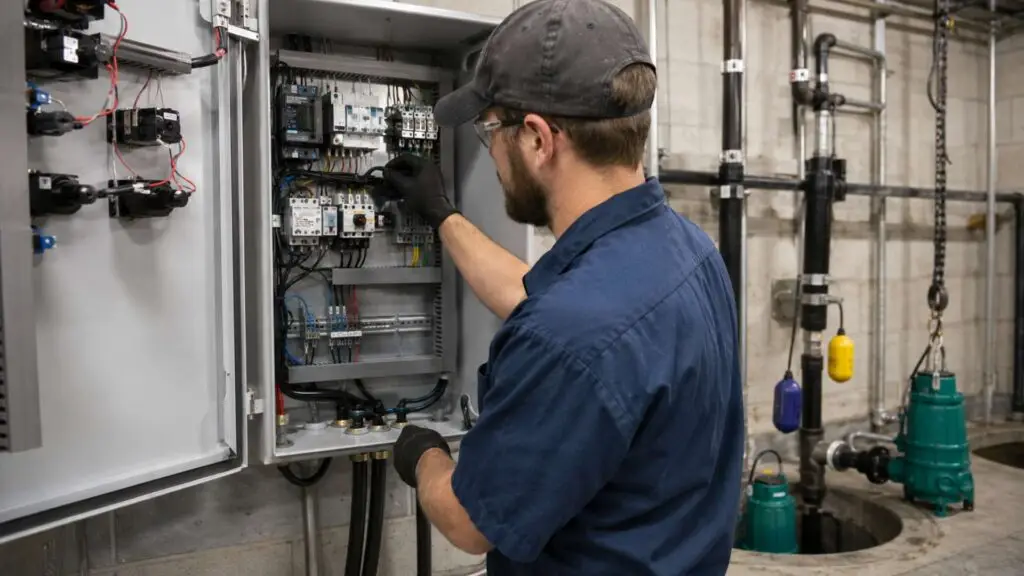
Controls are another major part of the system. A lift station control panel manages how the pump operates. Depending on the system, the panel may control one pump or multiple pumps. It may include starters, breakers, overload protection, alternators, alarms, and other control features. The panel needs to match the pump and application.
Float switches are used to detect liquid levels inside the basin. They tell the system when to turn the pump on, when to turn it off, and when to trigger an alarm. Float placement is critical. If floats are set incorrectly, the pump may short-cycle, run too long, fail to start, or allow the basin to reach an unsafe level.
Alarm systems are also important. A high-level alarm alerts the property owner or maintenance team when wastewater levels rise too high. This gives someone a chance to respond before a backup or overflow occurs. In many applications, alarms are not optional. They are an important safety and protection feature.
Check valves and shutoff valves also matter. A check valve helps prevent wastewater from flowing backward into the basin after the pump shuts off. Shutoff valves allow the system to be serviced. These components should be installed in a way that allows future maintenance without unnecessary difficulty.
Contractors should also think about service access. Lift stations need to be maintained over time. Pumps, floats, panels, and valves may all need inspection, repair, or replacement. A system that is difficult to access will be harder to service and may create avoidable problems down the road.
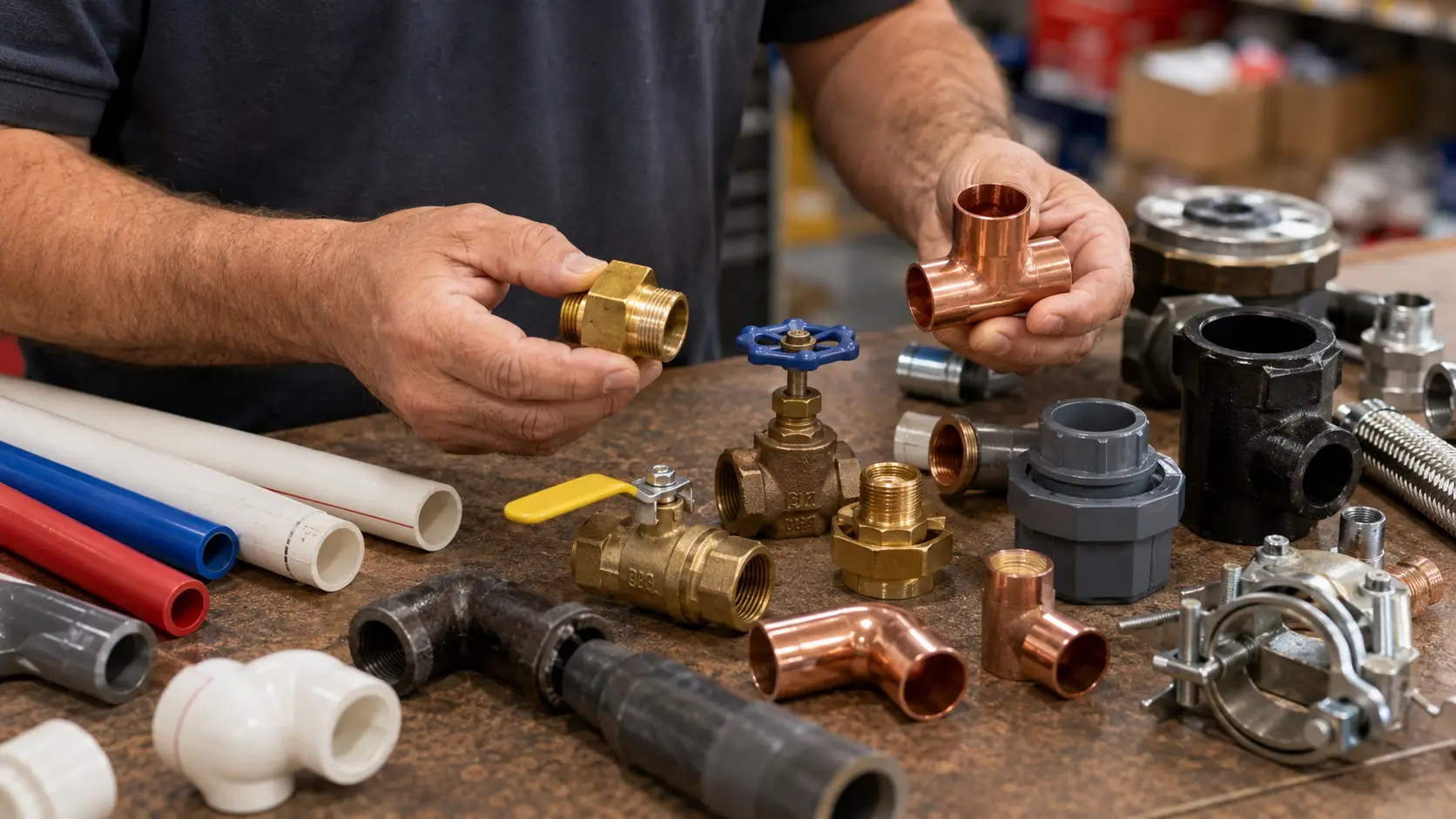
At Hartsig Supply, we help contractors think through lift station components before the system is installed or repaired. From pumps and panels to floats, alarms, valves, and troubleshooting support, our team helps contractors choose products that make sense for the application.
A lift station is not just one product. It is a complete system. When the components are selected properly and installed with serviceability in mind, the system can operate more reliably and be easier to maintain.
For contractors, understanding how the pieces work together is the key to building better wastewater systems and reducing future problems.