Choosing the right well pump is one of the most important decisions in a water system. A well pump delivers water from the source to the home, building, irrigation system, or point of use. When the pump is properly selected, the system can provide steady water pressure, reliable flow, and long-term performance. When the wrong pump is used, the customer may experience low pressure, short cycling, premature equipment failure, or recurring service issues.
For contractors, the first step in choosing a well pump is understanding the application. Not every water system has the same demand. A small residential home, a large property, a commercial building, an irrigation system, and a constant pressure setup all have different requirements. The pump should be selected based on the system, not just on the horsepower or the pump previously installed.
One of the most important factors is flow rate. The pump must be able to deliver sufficient gallons per minute to the fixtures, appliances, irrigation zones, or equipment being served. If the pump cannot meet demand, the customer may experience poor performance when multiple fixtures are used at the same time.
Pressure requirements also matter. The system needs enough pressure to serve the building comfortably, but pressure must be managed properly. Too little pressure creates customer complaints. Too much pressure can stress pipes, fittings, valves, and equipment.
The depth of the well is another major consideration. Contractors need to understand the static water level, pumping water level, well depth, and drawdown conditions. A pump must be capable of lifting water from the well and delivering it through the system at the required pressure.
Pump sizing should also account for total dynamic head. This includes vertical lift, friction loss through piping, pressure requirements, fittings, valves, and distance. A pump that looks correct based on horsepower may not perform properly if the system head is not considered.
Electrical requirements are also part of the decision. Voltage, phase, wire size, control boxes, and motor requirements must all match the system. Electrical mismatches can lead to pump failure, nuisance issues, or unsafe operation.
Contractors should also consider whether the system requires a traditional pressure tank setup or a constant-pressure system. A traditional setup uses a pressure tank and a pressure switch to cycle the pump on and off. A constant-pressure system uses controls or a variable-frequency drive to adjust pump operation based on demand. Each option has its place depending on the application and customer expectations.
Replacement situations deserve extra attention. If an existing pump failed, it is important to understand why. Was the pump properly sized? Was the pressure tank working correctly? Was the pump short-cycling? Did the water level change? Was there an electrical problem? Simply replacing the old pump with the same model may not solve the real issue.
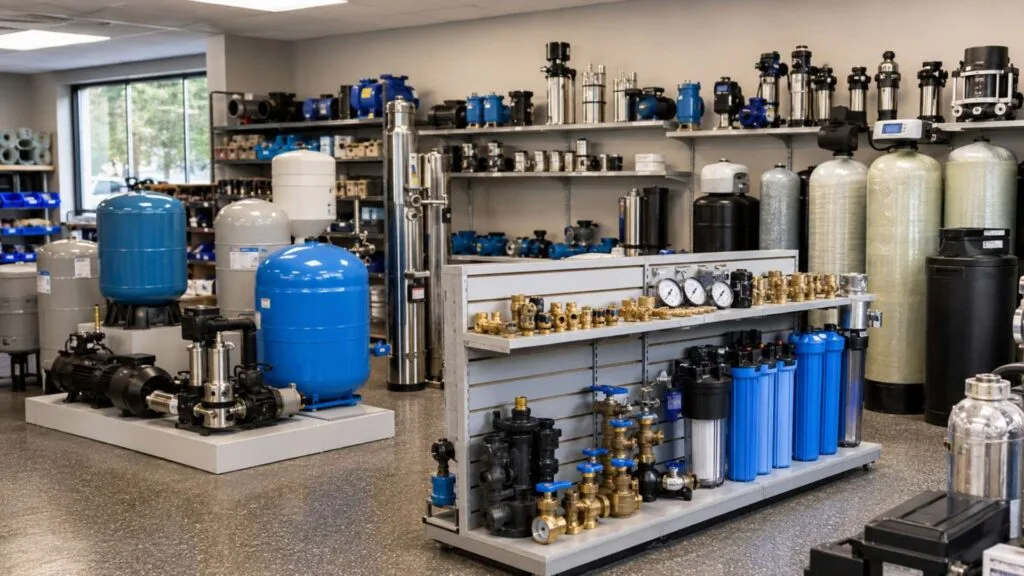
Hartsig Supply helps contractors think through well pump applications before choosing equipment. Our team can help with product options, pump sizing questions, pressure tanks, controls, constant pressure systems, and related components.
The right well pump should fit the water source, the building demand, the pressure needs, and the system layout. When contractors take time to choose the right pump, they help customers get better performance, fewer issues, and more dependable water service.