Pump sizing is one of the most important parts of designing or repairing a water system. A pump that is too small may not meet the customer’s needs. A pump that is too large can create short cycling, pressure problems, wasted energy, and premature equipment wear.
For contractors, proper pump sizing is not just a technical detail. It directly affects performance, reliability, customer satisfaction, and the life of the system.
Many people assume that a bigger pump is always better, but that is not true. A pump needs to match the application. Oversizing can be just as problematic as undersizing. When a pump delivers more flow than the system can properly handle, it may cycle too frequently, stress the pressure tank, create water hammer, or cause control issues.
Undersizing creates a different set of problems. If the pump cannot provide sufficient flow or pressure, the customer may experience weak showers, poor fixture performance, irrigation issues, or pressure drops when multiple fixtures are in use. In some cases, an undersized pump may run longer than it should, increasing wear.
Proper sizing starts with understanding flow requirements. Contractors should consider how much water the system needs during normal use and peak demand. A single-bathroom home has very different needs from a larger property, a commercial building, or an irrigation system.
Pressure requirements are also important. The pump must provide usable pressure at the fixtures or equipment being served. That pressure must be delivered after accounting for elevation, pipe length, friction loss, valves, filters, and other system components.
Total dynamic head is a key part of pump sizing. It includes the vertical lift from the water source, the pressure needed at the point of use, and the resistance created by piping, fittings, valves, and equipment. Two systems with the same flow requirement may require very different pumps because the system head differs.
Well conditions must also be considered. Static water level, pumping water level, drawdown, and well recovery all affect pump selection. A pump should not be selected without understanding what the well can provide. Installing a pump that exceeds the well’s recovery capacity can create performance issues.
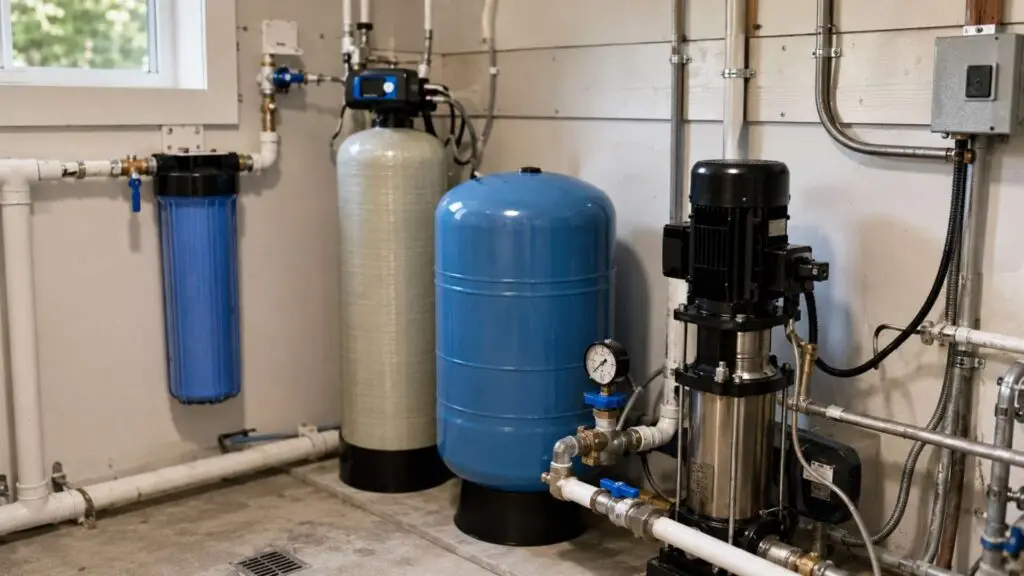
Pressure tank sizing is tied closely to pump sizing. A properly sized tank helps control pump cycling and extends equipment life. If the tank is too small for the pump, the pump may turn on and off too often. This can damage the pump, controls, and tank over time.
Constant-pressure systems add another layer of sizing considerations. The pump, motor, controller, pressure sensor, and tank all need to work together. These systems can provide strong performance, but they must be selected based on the actual system requirements.
Replacement projects should not skip the sizing conversation. If the old pump failed, contractors should ask why. Was it short cycling? Was the pressure tank bad? Did demand change? Did the well conditions change? Was the original pump incorrectly selected? Replacing the pump with the same model may cause the same problem to recur.
Hartsig Supply helps contractors think through pump sizing, pressure tanks, controls, constant-pressure systems, and related water-system components. Our team supports contractors with product guidance and application-based recommendations.
Long-term water system performance depends on proper sizing. When the pump, tank, controls, and system components are properly matched, the system can deliver higher pressure, reduce wear, improve reliability, and cause fewer service problems.
For contractors, taking time to size the pump correctly is one of the best ways to protect the system and the customer.