Water treatment should never begin with guessing. Before a contractor recommends a softener, filter, reverse osmosis system, UV unit, or iron removal setup, the first step is understanding the actual water problem. Every property can have different water quality concerns, especially when well water is involved.
Some customers call because their fixtures are stained. Others complain about rotten egg odor, hard water, cloudy water, bad taste, sediment, dry skin, scale buildup, or concerns about drinking water quality. While some symptoms point toward common issues, the right solution depends on what is really happening in the water.
That is why contractors should start with the problem, not the product.
Hard water is one of the most common issues. It is usually caused by minerals like calcium and magnesium. Customers may notice white scale on fixtures, spots on dishes, soap that does not lather well, buildup inside water heaters, or dry skin and hair. In many cases, a properly sized water softener can help reduce hardness and protect plumbing equipment.
Iron is another common water issue, especially in well water systems. Iron can cause orange or brown staining on sinks, toilets, tubs, laundry, and fixtures. It can also affect taste and create buildup in plumbing systems. But not all iron problems are the same. The type and amount of iron matter, and that information affects the treatment method.
Sediment is another issue contractors often see. Customers may notice sand, grit, dirt, cloudy water, or particles in faucets and appliances. Sediment can come from the well, plumbing system, or water source. The solution may involve sediment filtration, but the filter type and size should match the water conditions and the system’s flow requirements.
Odor can be more complicated. A rotten egg smell may be related to hydrogen sulfide, bacterial activity, the water heater, plumbing conditions, or the water source itself. Some customers notice the smell only in hot water. Others notice it in both hot and cold water. That distinction matters when choosing the correct solution.
Taste and drinking water concerns often lead customers toward reverse osmosis systems, carbon filtration, or other drinking water products. But again, the right recommendation depends on what the customer wants to improve and what is present in the water.
Water testing is one of the best ways to avoid guesswork. A water test can help identify hardness, iron, pH, total dissolved solids, and other common concerns. In some cases, additional testing may be needed for bacteria, nitrates, sulfur, or other issues.
Contractors should also look at the full system. Water pressure, flow rate, pipe size, existing equipment, household demand, space for installation, drain availability, and maintenance expectations all matter. A product may be technically correct for the water problem, but still not be the best fit for the application if it cannot handle the required flow or maintenance needs.
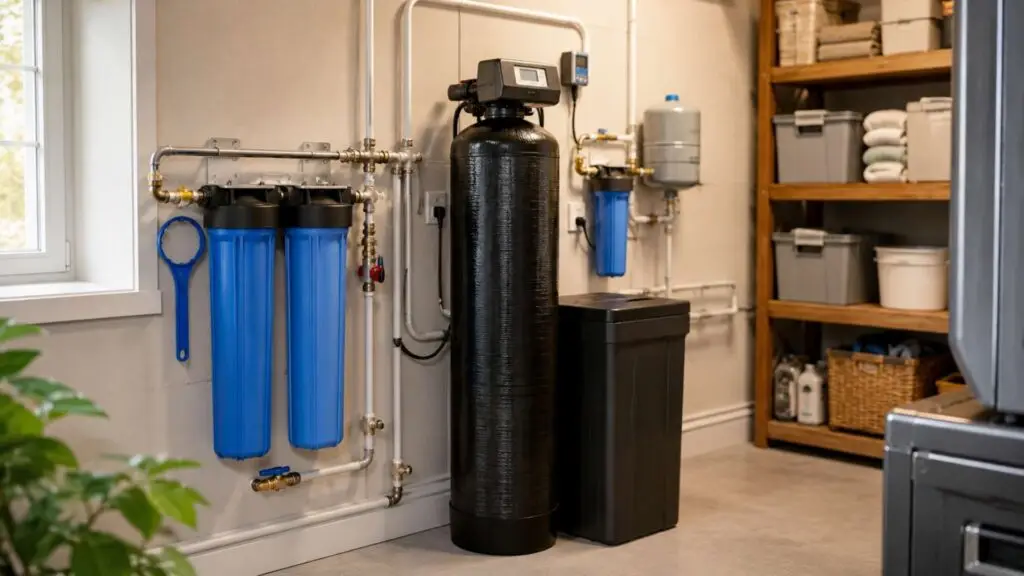
Hartsig Supply helps contractors think through water treatment applications before selecting equipment. Our team can support product selection for softeners, filtration systems, iron removal, reverse osmosis, UV disinfection, replacement filters, and related components.
Good water treatment starts with asking the right questions. What problem is the customer experiencing? Is it happening in hot water, cold water, or both? Is the water from a well or a city source? Has the water been tested? What equipment is already installed? How much water does the home or building use?
When contractors understand the water problem first, they can recommend better solutions, reduce callbacks, and help customers get the results they are expecting.