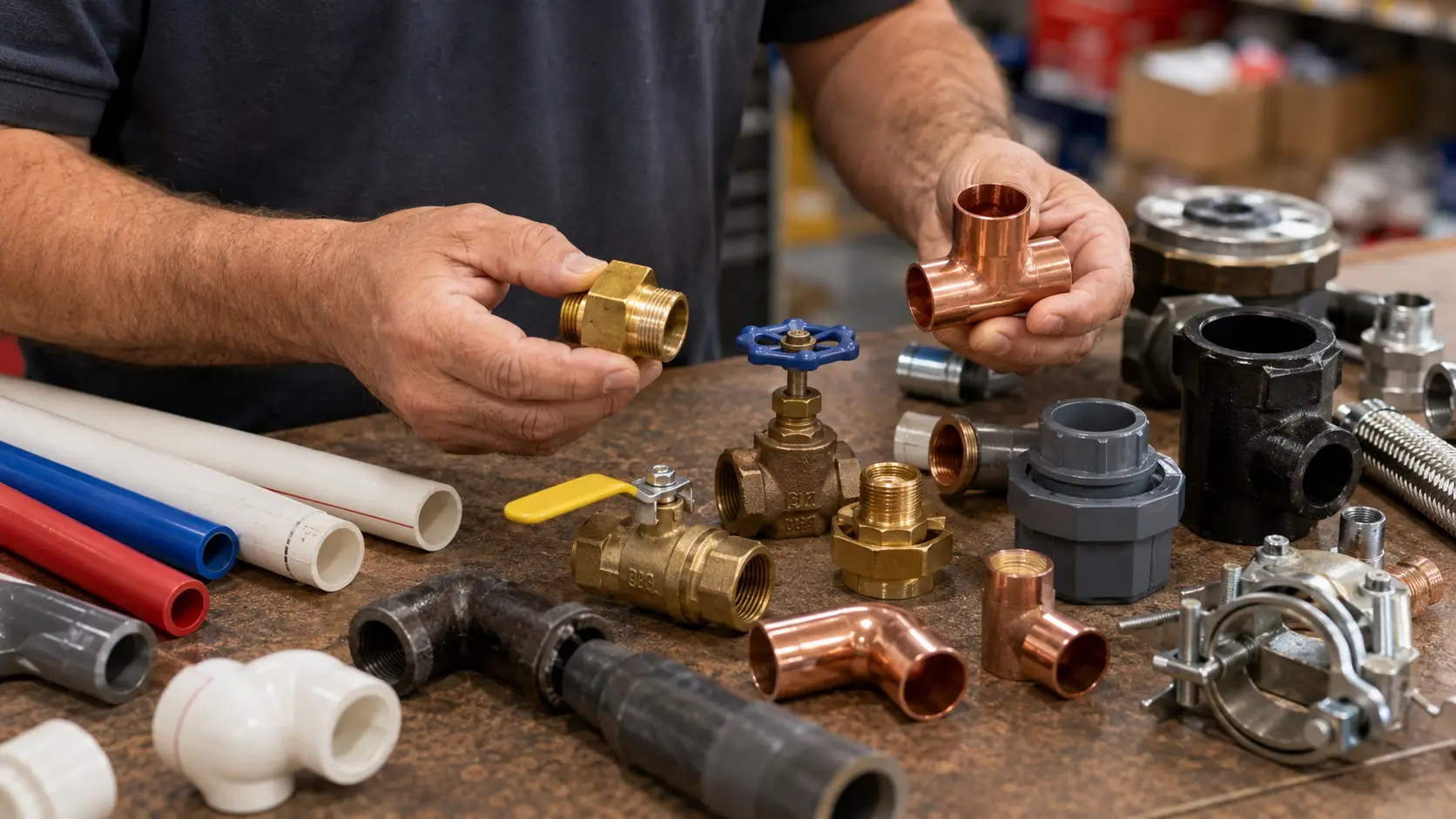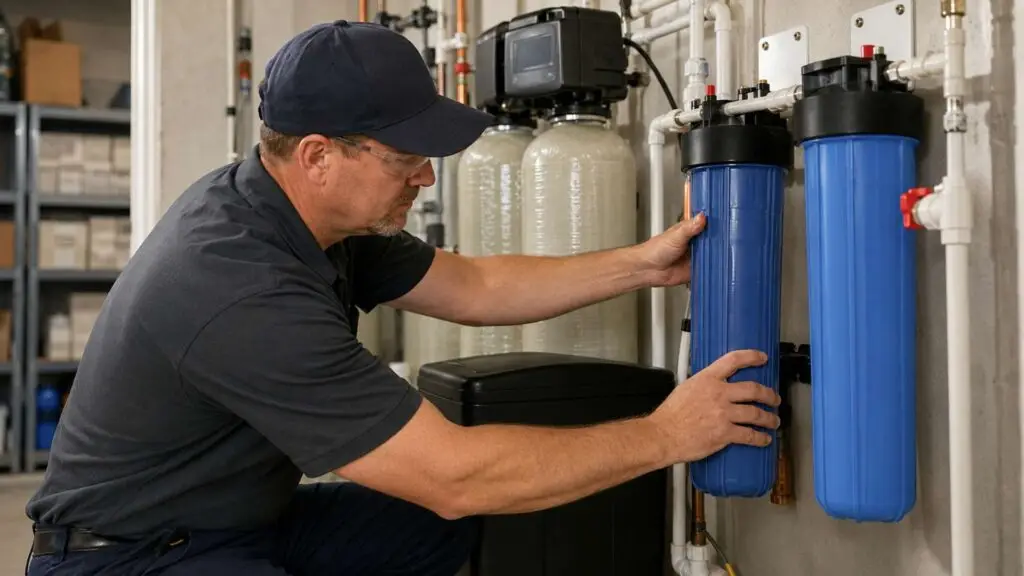
Water treatment needs can vary greatly depending on whether the property uses well water or city water. Both sources may require treatment, but the concerns often differ. For contractors, understanding those differences helps with product selection, customer conversations, and better long-term system performance.
Well water comes directly from a private well. Because it is not treated by a municipal system before entering the property, the water quality depends heavily on the local groundwater, well construction, aquifer conditions, and the surrounding environment. Two wells in the same area can have very different water quality.
Common well water concerns include hardness, iron, manganese, sulfur odor, sediment, bacteria concerns, low pH, tannins, and staining. Some well waters may look clear yet still have high hardness or iron levels. Other wells may produce cloudy water, visible sediment, rotten egg odor, or staining almost immediately.
City water is treated before it reaches the property, but that does not mean it is always perfect for the customer’s needs. City water may contain chlorine, chloramine, hardness, taste and odor issues, sediment from aging infrastructure, or dissolved minerals. Some customers simply want better drinking water, softer water, or improved taste.
The first difference contractors should consider is testing. Well water often requires more extensive testing because untreated groundwater can vary widely. City water may already meet municipal standards, but homeowners and businesses may still want treatment for comfort, taste, equipment protection, or specific concerns.
Hardness can be present in both well and city water. A water softener may be useful in either case, depending on the test results and customer expectations. Hard water can create scale, reduce appliance efficiency, affect water heaters, and leave spots on fixtures and dishes.
Iron is more commonly associated with well water, but it can also appear in some city water situations due to piping or distribution issues. Iron treatment should be based on the type and amount of iron present. Contractors should be cautious about recommending treatment without understanding the water chemistry.
Chlorine and chloramine are more common concerns in city water. These disinfectants are used to treat municipal water, but some customers dislike the taste or smell. Carbon filtration is often used to reduce chlorine taste and odor, but chloramine may require specific media or system design.
Sediment filtration can be useful for both well and city water. In well water, sediment may come from the well itself. In city water, sediment may come from old pipes, repairs, or distribution lines. Filter selection should consider particle size, flow rate, maintenance, and pressure drop.
Reverse osmosis systems are commonly used for drinking water applications. These systems can be used with well or city water, but pretreatment may be required depending on water quality. For example, high hardness, iron, sediment, or low pressure can affect system performance.
UV disinfection is more commonly used in well water systems where bacterial concerns are present. A UV system must be properly installed and regularly maintained. Water clarity is also important because sediment, iron, or hardness can interfere with performance.
Contractors should also consider customer expectations. Some customers want whole-house treatment. Others only want better drinking water. Some want to protect fixtures, water heaters, and appliances. Others are trying to solve a specific problem, such as staining, odor, or scale.
Hartsig Supply supports contractors with treatment products for both well water and city water applications. This includes water softeners, filtration systems, iron removal, sediment filters, carbon filters, reverse osmosis systems, UV disinfection, replacement cartridges, and system components.
The key is to match the treatment solution to the water source, test results, system demand, and customer goals. Well water and city water may require different approaches, but both benefit from proper product selection and good technical support.