Hot water recirculation is an important part of many domestic hot water systems, especially in larger homes, commercial buildings, apartments, schools, offices, restaurants, and facilities where fixtures are located far from the water heater.
Without recirculation, users may have to wait a long time for hot water to reach the faucet, shower, sink, or equipment. That delay wastes water, frustrates customers, and can make the system feel poorly designed even if the water heater itself is working correctly.
For contractors, recirculation should be considered whenever hot-water delivery time is critical.
A recirculation system keeps hot water moving through the piping loop, so it is available more quickly at fixtures. This can improve comfort, reduce water waste, and create a better user experience. In commercial buildings, it can also support operational needs that require hot water quickly and consistently.
However, recirculation has to be designed correctly. It is not just a matter of adding a pump. Contractors need to consider piping layout, pump sizing, controls, check valves, balancing, insulation, temperature requirements, and equipment compatibility.
Pump selection matters. A recirculation pump should be sized for the loop, not guessed. If the pump is too small, the system may not deliver hot water effectively. If the pump is too large, it may waste energy, create noise, increase wear, or cause velocity issues in the piping.
Controls are also important. Recirculation pumps can run continuously, on timers, aquastats, demand controls, or building management systems, depending on the application. The right control approach depends on customer expectations, energy efficiency goals, usage patterns, and system design.
Temperature maintenance is another key issue. The system needs to maintain adequate hot water temperature without creating unnecessary heat loss or overworking the water heater. Pipe insulation can make a major difference in reducing energy waste.
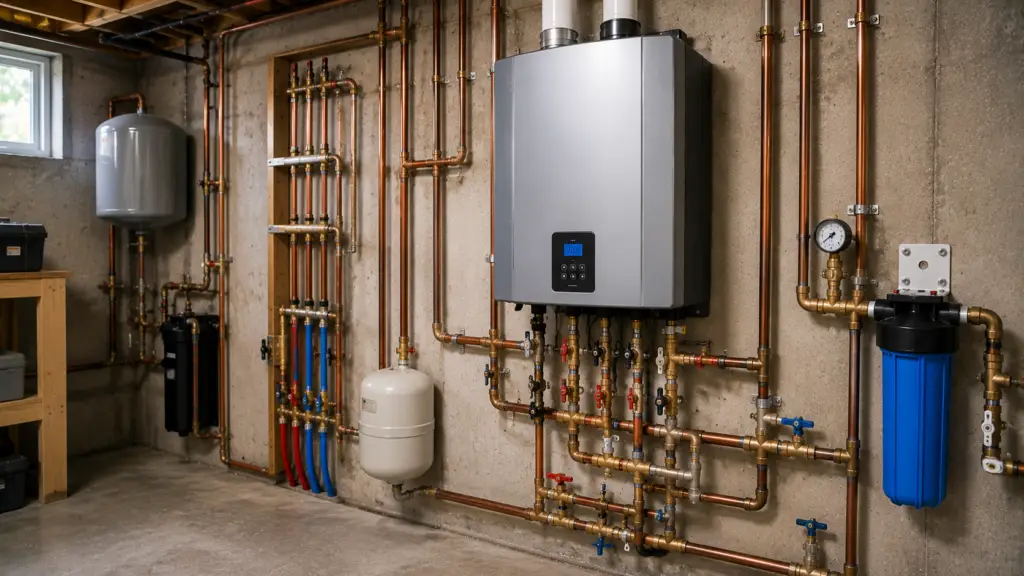
In tankless water heater applications, recirculation requires extra attention. Not all tankless units handle recirculation the same way. Some have built-in recirculation capabilities, while others require specific piping, pumps, controls, or accessories. A poorly designed recirculation loop can cause short cycling, efficiency loss, or unnecessary equipment wear.
Commercial systems may require balancing valves and careful loop design. In larger buildings, hot water may not be distributed evenly if the system is not properly balanced. Some branches may receive hot water quickly, while others may lag behind. Balancing helps improve consistency across the system.
Recirculation can also be important for code or health-related requirements in certain applications. Contractors should understand the project requirements and ensure the system meets applicable standards.
Maintenance should be part of the conversation, too. Pumps, check valves, balancing valves, and controls need to remain accessible for service. A system that cannot be serviced easily may create problems later.
Hartsig Supply helps contractors with domestic hot water components, recirculation products, pumps, controls, tankless water heater accessories, storage tanks, and system support. Our team can help contractors think through product selection and application needs before installation.
Recirculation is about more than convenience. It affects system performance, water usage, energy efficiency, customer satisfaction, and long-term reliability. When designed properly, it helps a domestic hot water system feel faster, more dependable, and better suited to the building.
For contractors, considering recirculation early in the design process can help avoid complaints, improve performance, and create a better finished system.