Wastewater systems are designed to move sewage, effluent, or other wastewater safely and reliably. When they are working correctly, most people do not think about them. But when something goes wrong, the problem can become urgent quickly.
For contractors, understanding common wastewater system problems can help with troubleshooting, repairs, product selection, and system upgrades. Many issues are connected to pump performance, controls, floats, alarms, piping, basin conditions, or maintenance.
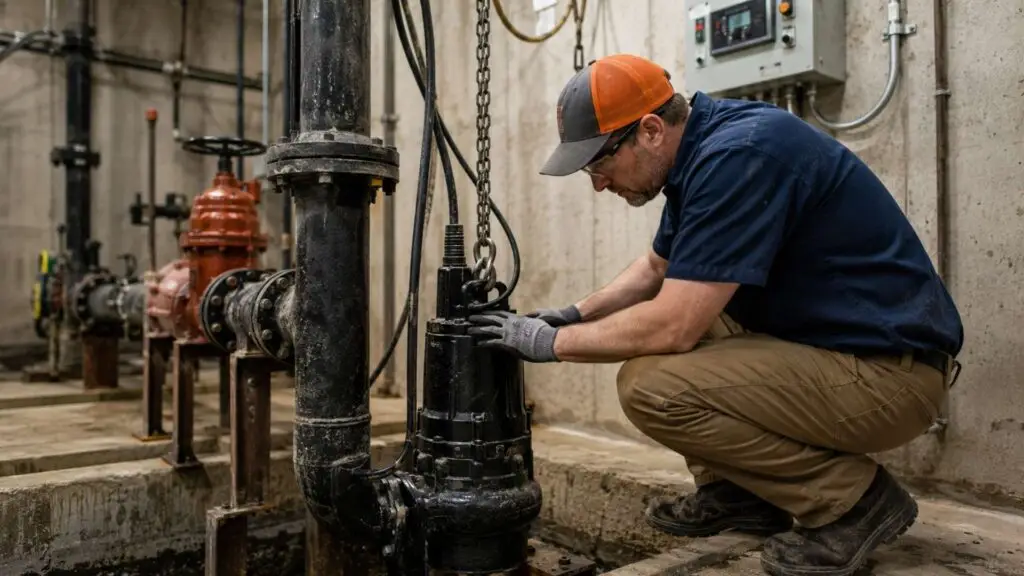
One common problem is pump failure. A pump may stop working because of age, electrical issues, overheating, clogging, improper sizing, damaged components, or harsh operating conditions. In some cases, the pump itself is not the original cause of the problem. The system may have short-cycled for years, handled the wrong type of solids, or operated under conditions it was not designed for.
Clogging is another major issue. Wastewater pumps and piping can clog when the wrong materials enter the system, when solids are larger than the pump can handle, or when the pump type is not right for the application. Grinder pumps, sewage pumps, and effluent pumps are each designed differently, so selecting the wrong pump can increase the risk of clogging.
Float problems are also common. A float can become tangled, stuck, damaged, or incorrectly positioned. When floats do not move freely, the pump may fail to start, fail to stop, or allow the basin level to rise too high. Sometimes a pump is replaced when the real issue was a float or control problem.
Control panel issues can also cause system failure. Breakers, relays, starters, overloads, wiring, or control circuits may fail or operate incorrectly. A contractor troubleshooting a wastewater system should not assume the pump is bad without checking the controls.
High-water alarms are another area to watch. If an alarm is not working, the customer may not know the system is in trouble until a backup is available. Alarms should be tested and maintained so they can provide a warning when the basin reaches an unsafe level.
Improper pump sizing can create long-term problems. An undersized pump may not keep up with system demand. An oversized pump may short-cycle, causing wear on the pump, floats, and controls. The right pump should be selected based on flow, total dynamic head, solids handling, basin size, and system requirements.
Check valve failure is another common issue. If a check valve does not close properly, wastewater can flow back into the basin after the pump shuts off. This can cause the pump to cycle more often than necessary, shortening equipment life.
Maintenance access can also become a problem. If a system is difficult to service, basic repairs take longer and cost more. Contractors should think about future maintenance when installing pumps, valves, panels, floats, and basins.
Odor, corrosion, and moisture can create additional challenges in wastewater environments. Electrical components, control panels, and pump parts need to be selected and installed with the environment in mind.
Hartsig Supply helps contractors work through wastewater system problems by providing pumps, controls, float systems, alarms, valves, and technical support. Whether the issue involves a failed pump, a control problem, a float setup, or product selection for a replacement, our team helps contractors find practical solutions.
Wastewater systems need reliable components and careful planning. Contractors who understand common problems can diagnose issues faster, choose better products, and help customers avoid future failures.