Hydronic heating systems use water to move heat through a building. Instead of relying solely on forced air, a hydronic system circulates heated water through piping, radiators, baseboards, radiant floor tubing, fan coils, snowmelt loops, or other heat emitters. When designed and installed properly, hydronic heating can provide comfortable, efficient, and reliable heat.
For contractors, hydronic systems require a different way of thinking than simple equipment replacement. The boiler or heat source is important, but it is only one part of the full system. Pumps, controls, piping, expansion tanks, air separators, manifolds, mixing valves, buffer tanks, and zoning components must work together.
One of the first things to understand is the heat load. The system should be designed around the building’s actual heating needs. If the equipment is too large, the system may have a short cycle, waste energy, and wear out faster. If it is too small, the building may not stay comfortable during colder weather.
Water temperature is another major part of hydronic design. Different applications require different supply temperatures. Radiant floor heating usually operates at lower water temperatures than baseboard or fan coil systems. Snow melt systems may have their own temperature and control requirements. A system with multiple temperature needs may require mixing valves, controls, or separate loops.
Flow rate matters too. Heated water has to move through the system at the right rate to deliver heat properly. If the flow is too low, rooms may not heat evenly. If the flow is too high, the system may become noisy, inefficient, or harder to balance. Pump selection should be based on system flow and head loss, not guesswork.
Controls are another key piece. Thermostats, zone controls, circulator relays, outdoor reset controls, boiler controls, mixing controls, and snow melt controls all help the system respond to demand. A good control strategy improves comfort and helps the equipment run more efficiently.
Air management and expansion control should never be overlooked. As water heats and cools, it expands and contracts. Expansion tanks help manage those pressure changes. Air separators and vents help remove air from the system. Without proper air management, a hydronic system can become noisy, inefficient, and difficult to service.
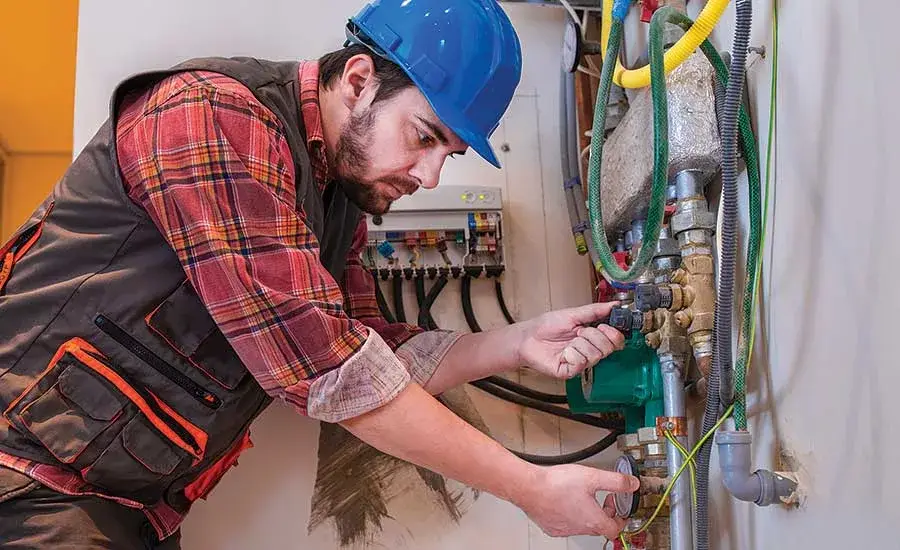
Contractors should also think about serviceability. Valves, unions, isolation points, drains, and access to major components make the system easier to maintain. A clean mechanical room layout helps future service work go faster and reduces frustration.
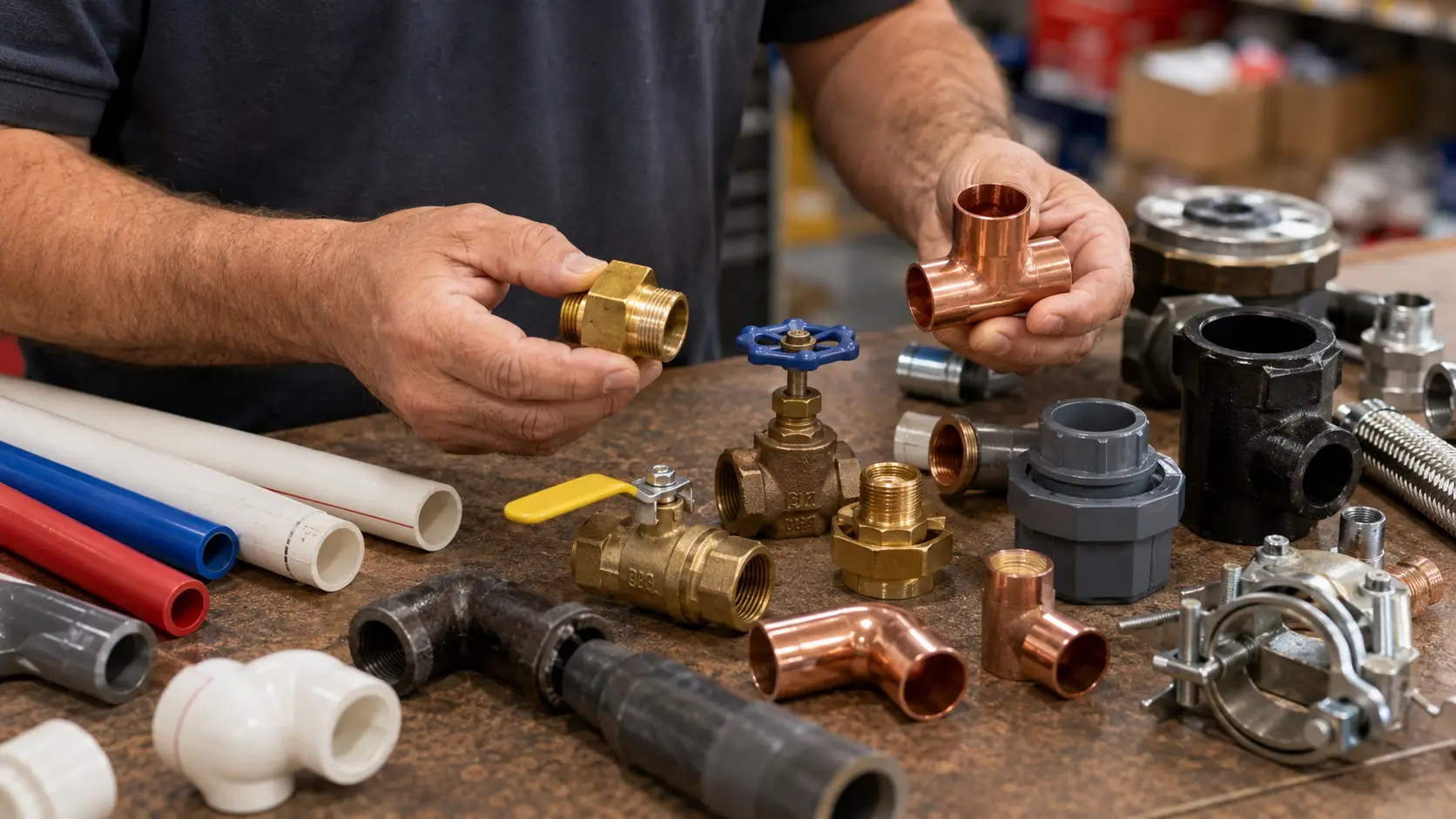
Hartsig Supply supports contractors with hydronic heating products, boilers, combi boilers, pumps, controls, radiant floor components, snow melt products, buffer tanks, expansion tanks, and related system components. Our team helps contractors think through product selection, sizing questions, and application needs.
Hydronic heating can be one of the most comfortable heating options available, but it depends on proper planning. When contractors understand the full system, not just the equipment, they can build hydronic systems that perform better, last longer, and create fewer callbacks.