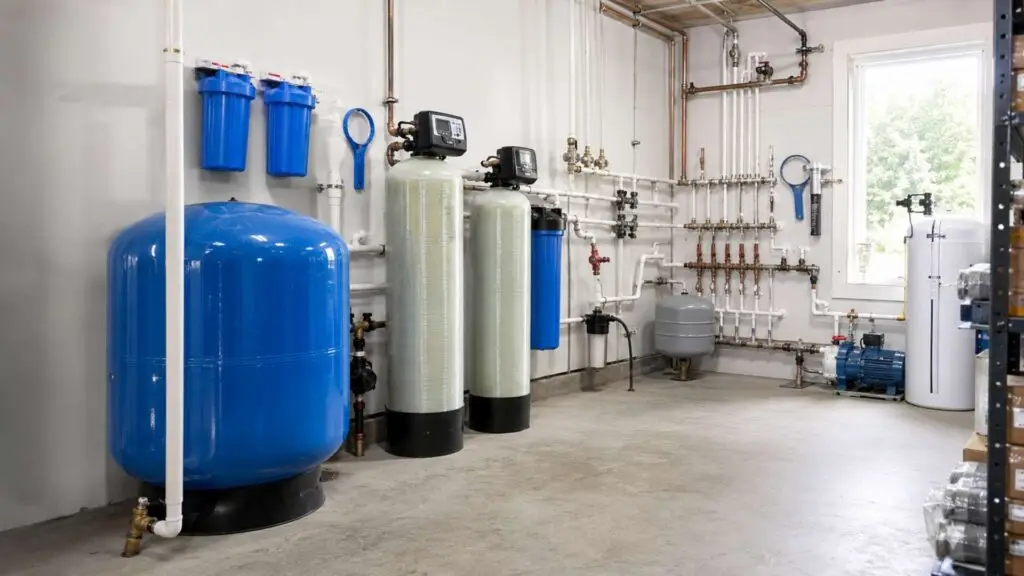
Pressure tanks and constant pressure systems play a major role in how a water system performs. While the well pump moves water from the source, the pressure system helps control delivery, manage pump operation, and provide usable pressure throughout the building.
For contractors, understanding the difference between traditional pressure tank systems and constant pressure systems can help with product selection, troubleshooting, and customer recommendations.
A traditional pressure tank system uses a pressure tank, pressure switch, and pump to maintain water pressure within a set range. The tank stores pressurized water and helps reduce how often the pump starts and stops. When water is used, the pressure drops. Once pressure reaches the cut-in setting, the pump starts. When pressure reaches the cut-out setting, the pump shuts off.
This type of system is common, reliable, and widely used. However, proper tank sizing is critical. If the pressure tank is too small, the pump may short-cycle. Short cycling means the pump turns on and off too frequently, which can shorten pump life, wear out controls, and create performance issues.
A properly sized pressure tank gives the system enough drawdown volume to reduce cycling. Contractors should consider pump capacity, pressure switch settings, household or building demand, and manufacturer guidance when selecting a tank.
Pressure tank condition also matters. A failed bladder, improper air charge, waterlogged tank, or damaged tank can cause major system problems. Customers may notice rapid pump cycling, pressure swings, low water pressure, or inconsistent performance.
Constant-pressure systems work differently. Instead of allowing pressure to fluctuate between wide pressure switch settings, a constant-pressure system is designed to maintain a more consistent pressure as demand changes. These systems often use a controller or variable frequency drive to adjust pump speed based on water usage.
Constant-pressure systems can be a good option when customers want stronger, steadier pressure, especially in homes or buildings with fluctuating demand. They can also be useful where multiple fixtures, irrigation, or larger water usage patterns are involved.
However, constant pressure systems need to be selected carefully. The pump, motor, controller, pressure tank, and system layout must all work together. These systems are more complex than a basic pressure-switch setup, so proper product selection and installation are important.
Contractors should also explain maintenance and expectations to customers. A constant pressure system can improve performance, but it is not a magic fix for every water problem. The well capacity, pump sizing, piping, filtration equipment, and system demand all still matter.
Troubleshooting water pressure problems requires looking at the full system. A pressure complaint may be caused by the pump, tank, pressure switch, controller, clogged filters, undersized piping, well limitations, or water treatment equipment. Replacing one component without understanding the issue may not solve the problem.
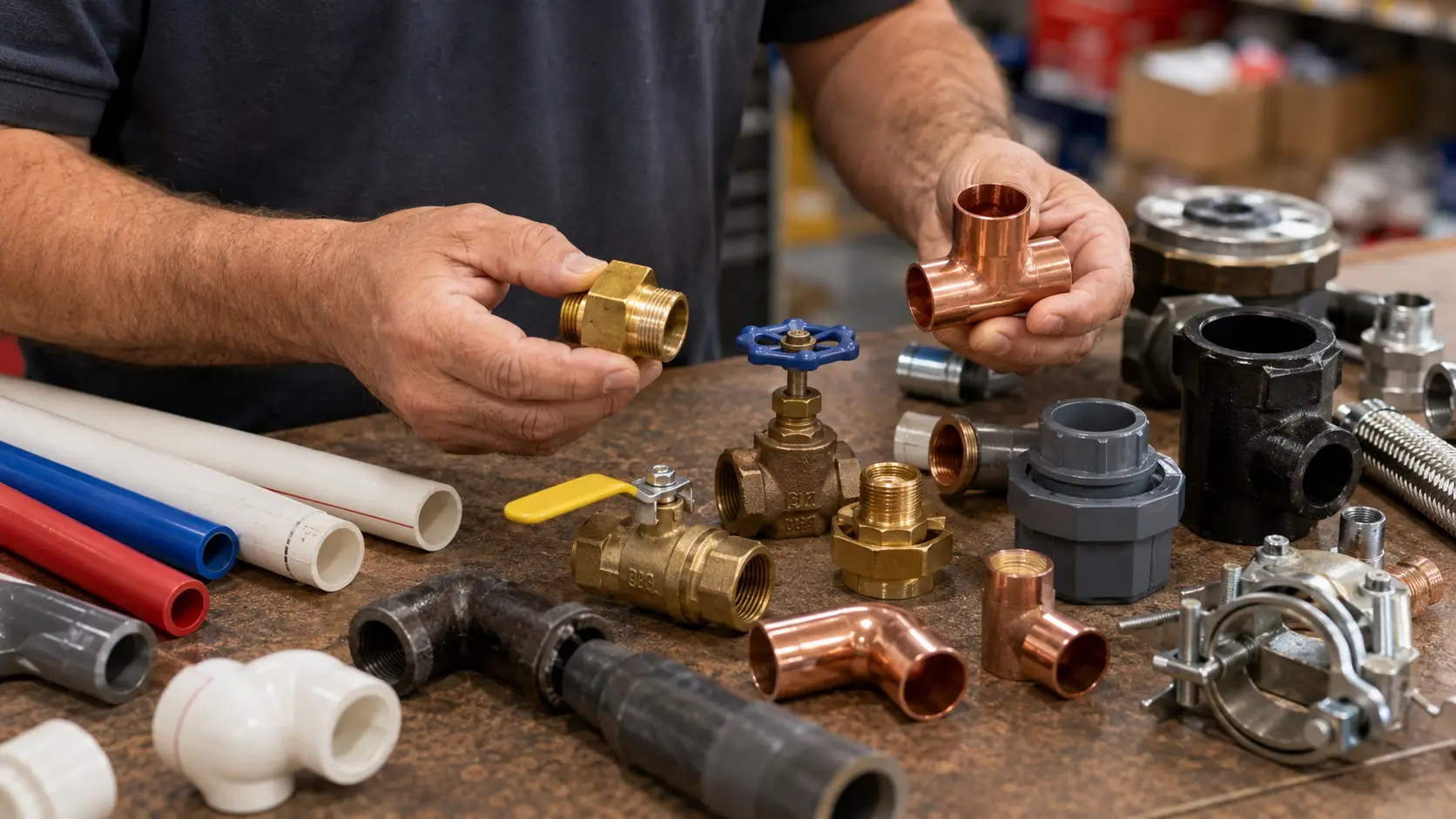
Hartsig Supply supports contractors with pressure tanks, constant pressure systems, controls, pumps, fittings, accessories, and application guidance. Our team helps contractors compare options and choose components that fit the system.
The goal is reliable water pressure, proper pump operation, and long-term system performance. Whether a contractor is working on a standard pressure tank installation or a constant pressure upgrade, the right components and support can make a major difference.