The Value of Contractor Education and Technical Resources

The trades are always changing. Products evolve, systems become more advanced, efficiency standards shift, and contractors are expected to understand more than ever before. Pumps, controls, water treatment systems, tankless water heaters, hydronic heating equipment, and domestic hot water systems all continue to become more technical. That is why contractor education matters. Contractors learn a […]
Equipment Sizing, Troubleshooting, and Product Selection Support
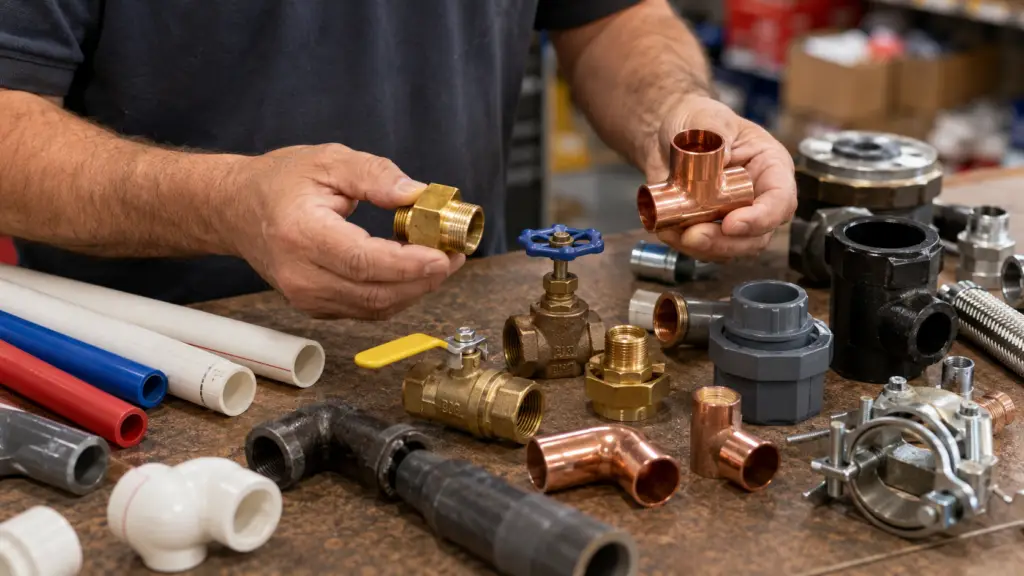
Equipment sizing, troubleshooting, and product selection are three areas where contractors often need more than a quick product lookup. These decisions affect how well a system performs, how long equipment lasts, and whether the customer is satisfied with the final result. Choosing equipment based only on what was previously installed can be risky. The original […]
How Technical Support Helps Contractors Solve System Problems
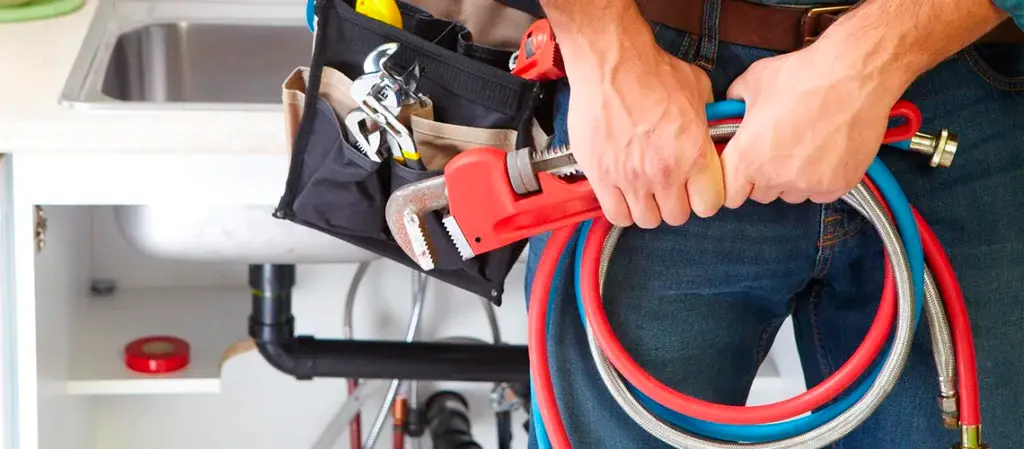
System problems can be frustrating because the obvious issue is not always the real cause. A pump may not be delivering enough pressure, but the problem could be sizing, controls, piping, a pressure tank, a clogged filter, or the well itself. A hot water system may not keep up, but the issue could be demand, […]
Why Contractors Need More Than a Product Supplier
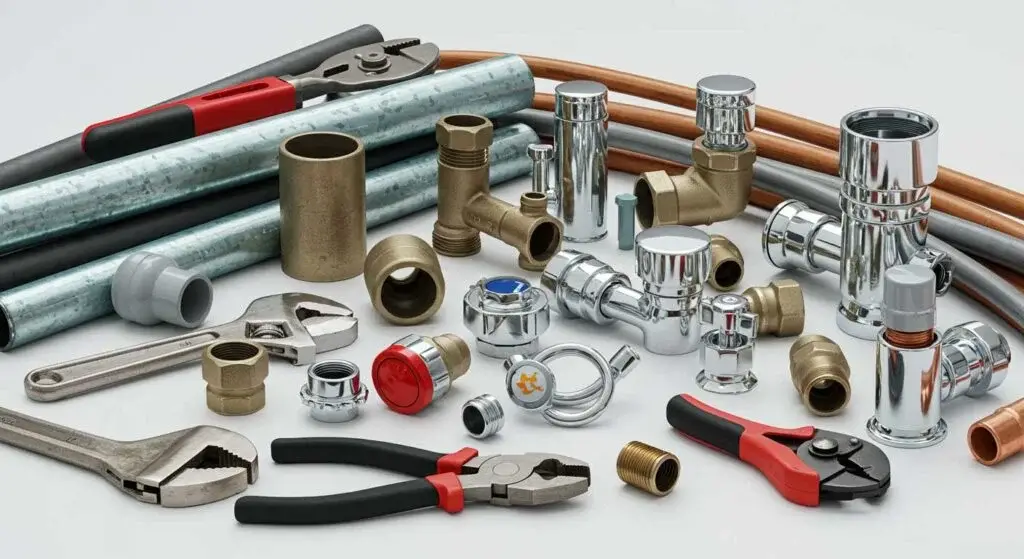
Contractors need products, but they also need answers. In the field, the job is rarely as simple as grabbing a part off the shelf and moving on. A contractor may need help choosing the right equipment, comparing options, sizing a system, replacing a failed component, or troubleshooting a problem that is not immediately obvious. That […]
Why Proper Hydronic System Design Reduces Callbacks
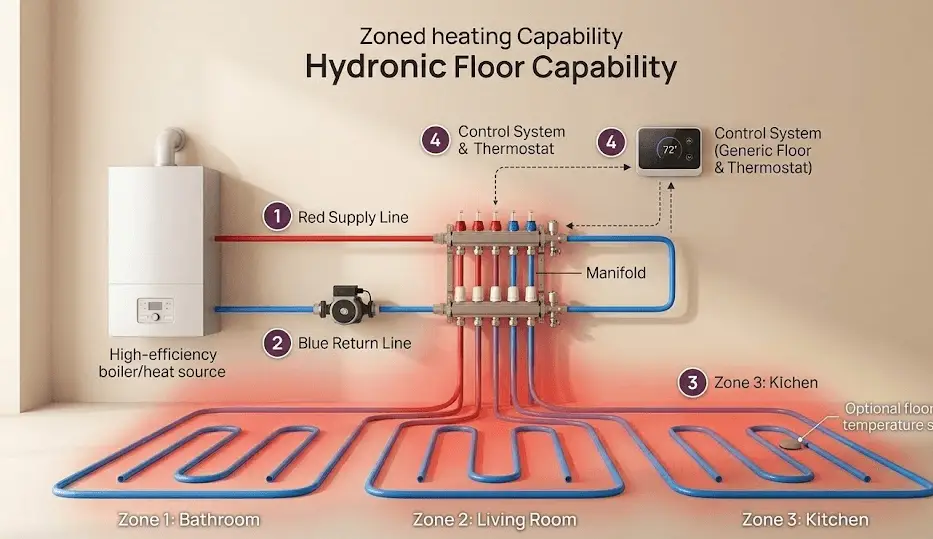
Hydronic heating callbacks often come from system design issues, not just equipment failure. A boiler may be working, but the building may still have uneven heat. A circulator may be running, but the flow may not be correct. A radiant zone may be installed, but the floor may not heat evenly. These problems usually point […]
Radiant Floor Heating and Snow Melt Systems: What to Consider
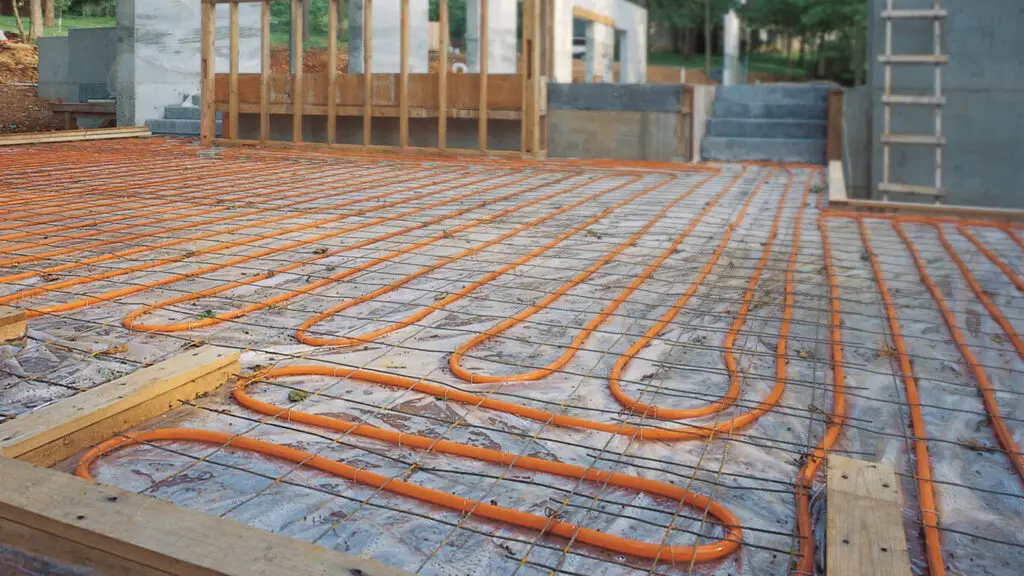
Radiant floor heating and snow melt systems are two hydronic applications that require careful planning. Both use heated fluid moving through tubing, but the goals, conditions, and design requirements are different. For contractors, understanding those differences helps with product selection, system layout, controls, and customer expectations. Radiant floor heating is designed to provide comfortable heat […]
Boilers, Combi Boilers, and System Components: How They Work Together
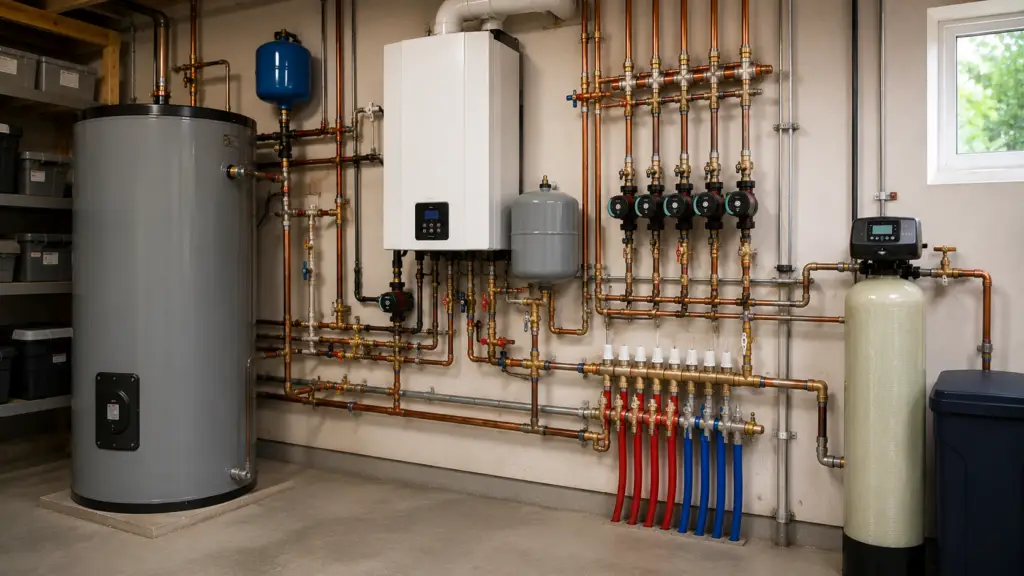
A hydronic heating system depends on more than the boiler. The boiler creates heat, but the rest of the system controls where that heat goes, how it moves, how pressure is managed, and how the building stays comfortable. For contractors, understanding how boilers, combi boilers, and system components work together is critical for reliable performance. […]
Hydronic Heating Basics for Contractors
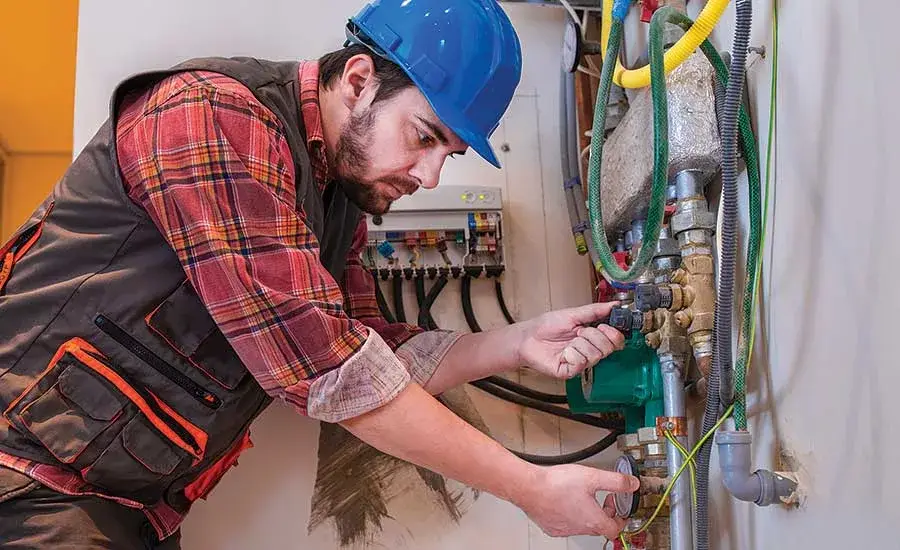
Hydronic heating systems use water to move heat through a building. Instead of relying solely on forced air, a hydronic system circulates heated water through piping, radiators, baseboards, radiant floor tubing, fan coils, snowmelt loops, or other heat emitters. When designed and installed properly, hydronic heating can provide comfortable, efficient, and reliable heat. For contractors, […]
Sizing Hot Water Systems Around Real Demand
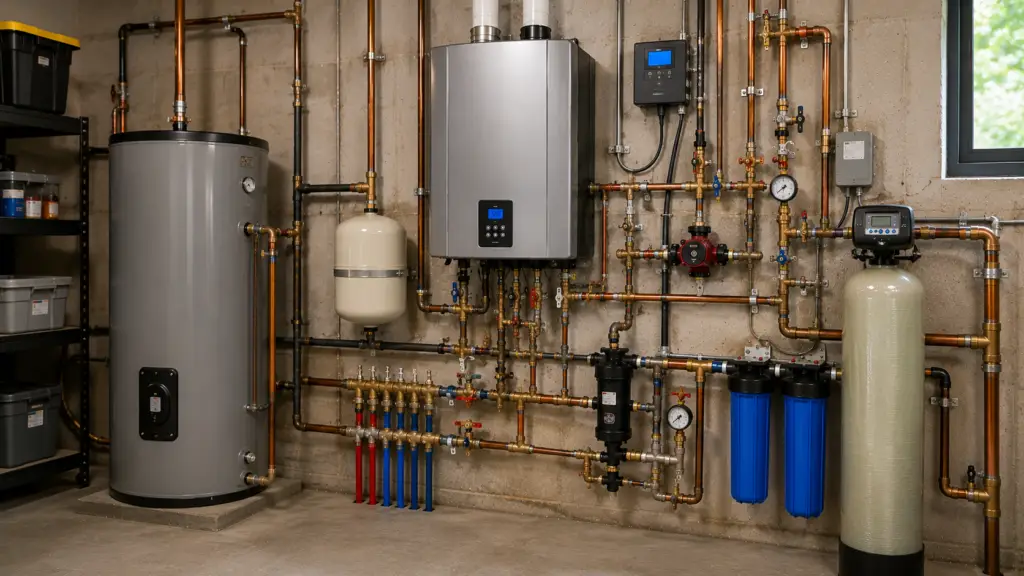
Sizing a domestic hot water system should always begin with real demand. Too often, equipment is selected based on what was there before, what fits the space, or what seems close enough. But hot water systems need to be designed around how the building actually uses hot water. For contractors, proper sizing helps prevent complaints, […]
Why Recirculation Matters in Domestic Hot Water Design
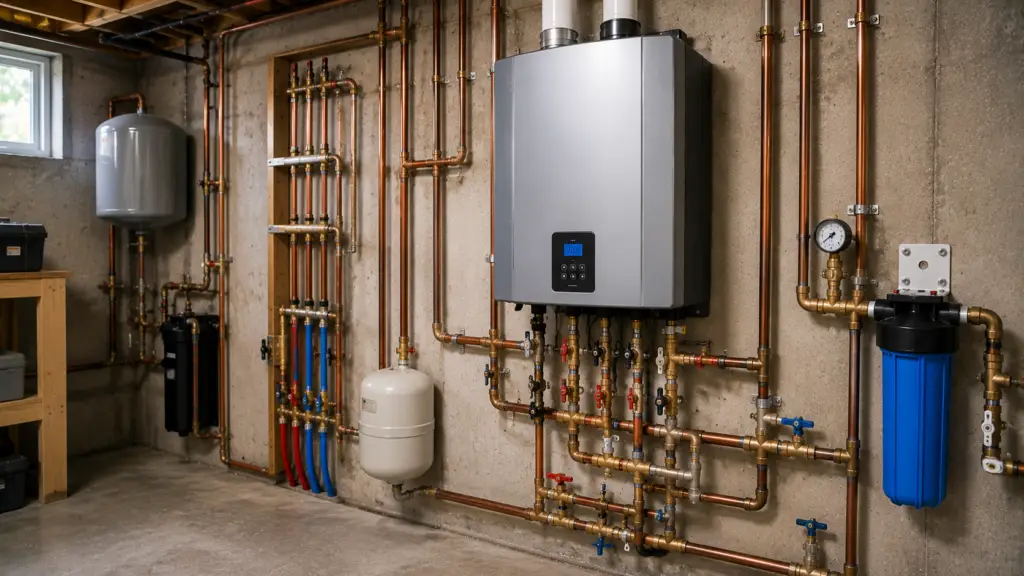
Hot water recirculation is an important part of many domestic hot water systems, especially in larger homes, commercial buildings, apartments, schools, offices, restaurants, and facilities where fixtures are located far from the water heater. Without recirculation, users may have to wait a long time for hot water to reach the faucet, shower, sink, or equipment. […]